
Grinding Media & Rods
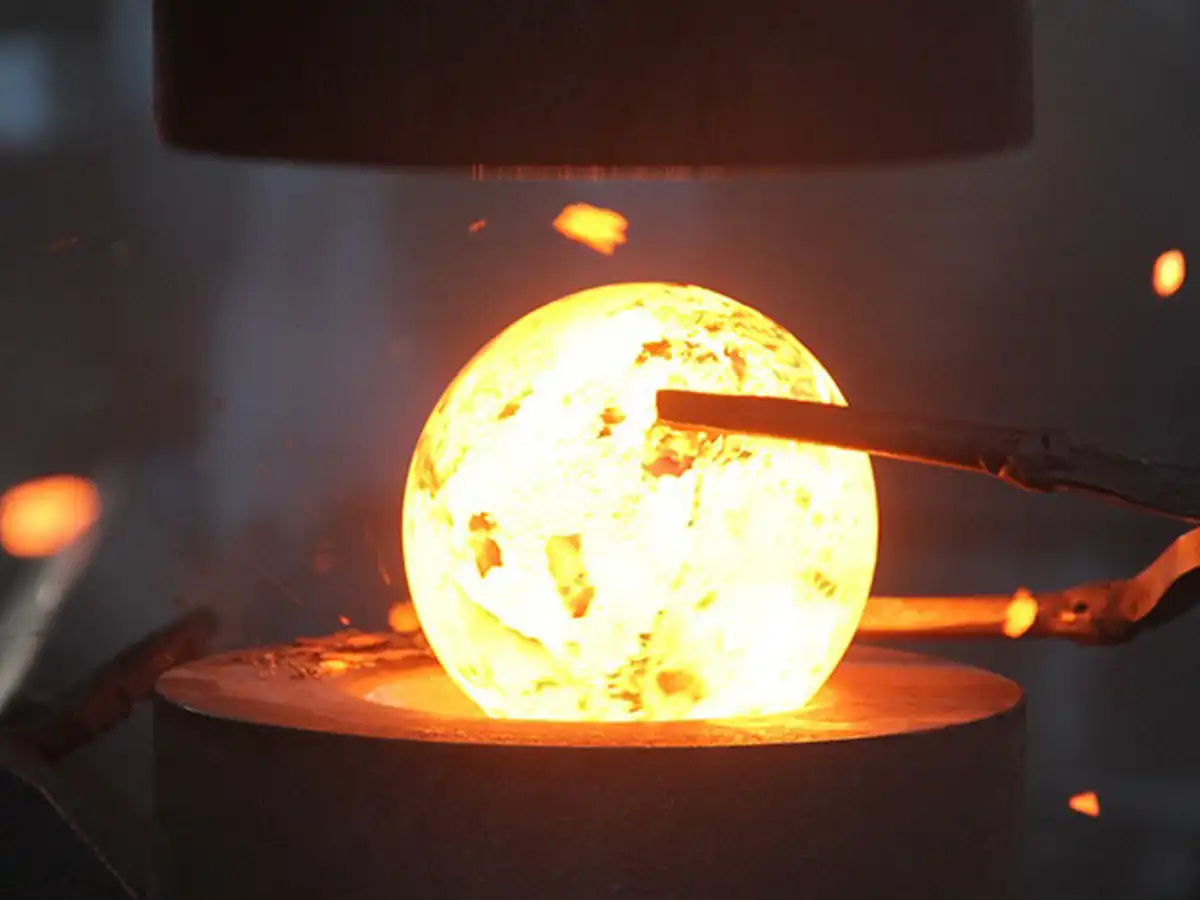
Forged Steel Grinding Balls
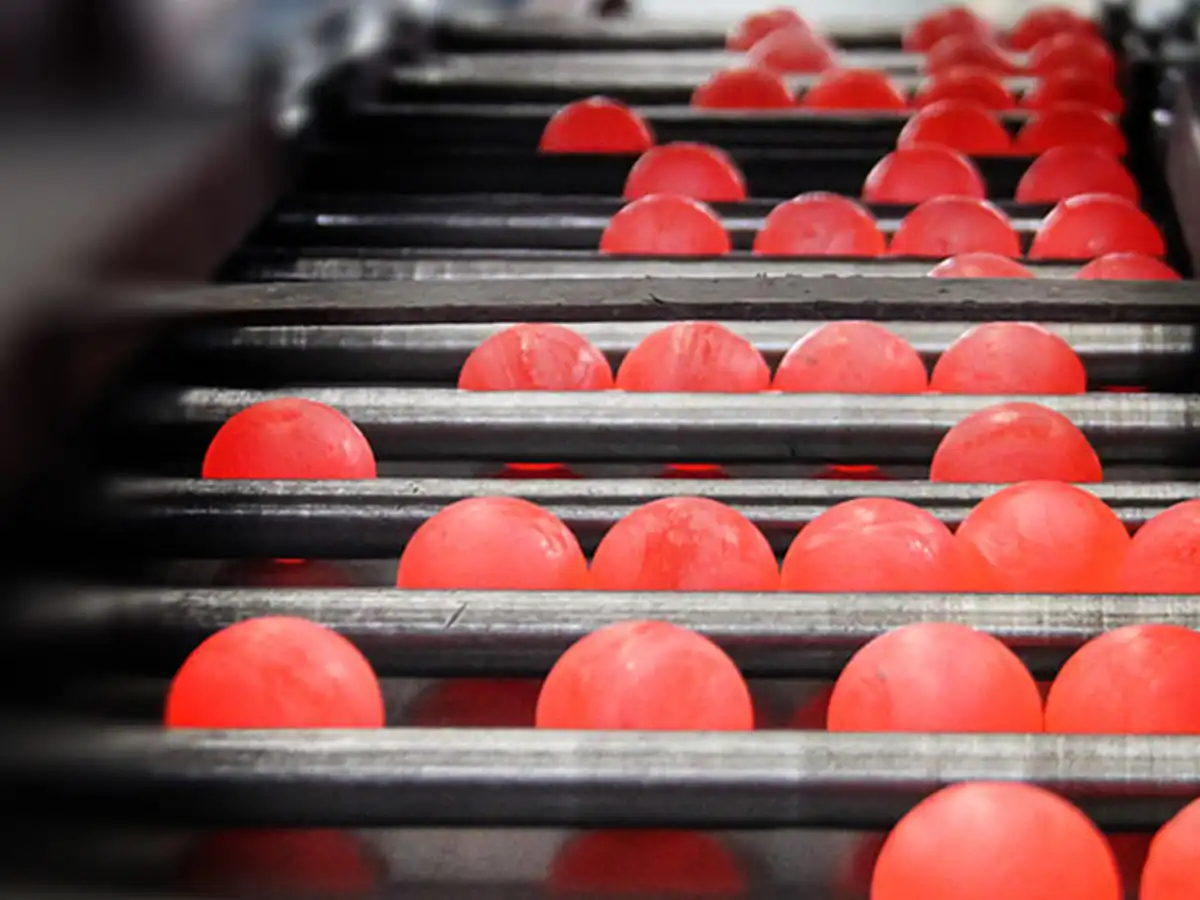
Cast Iron Grinding Balls
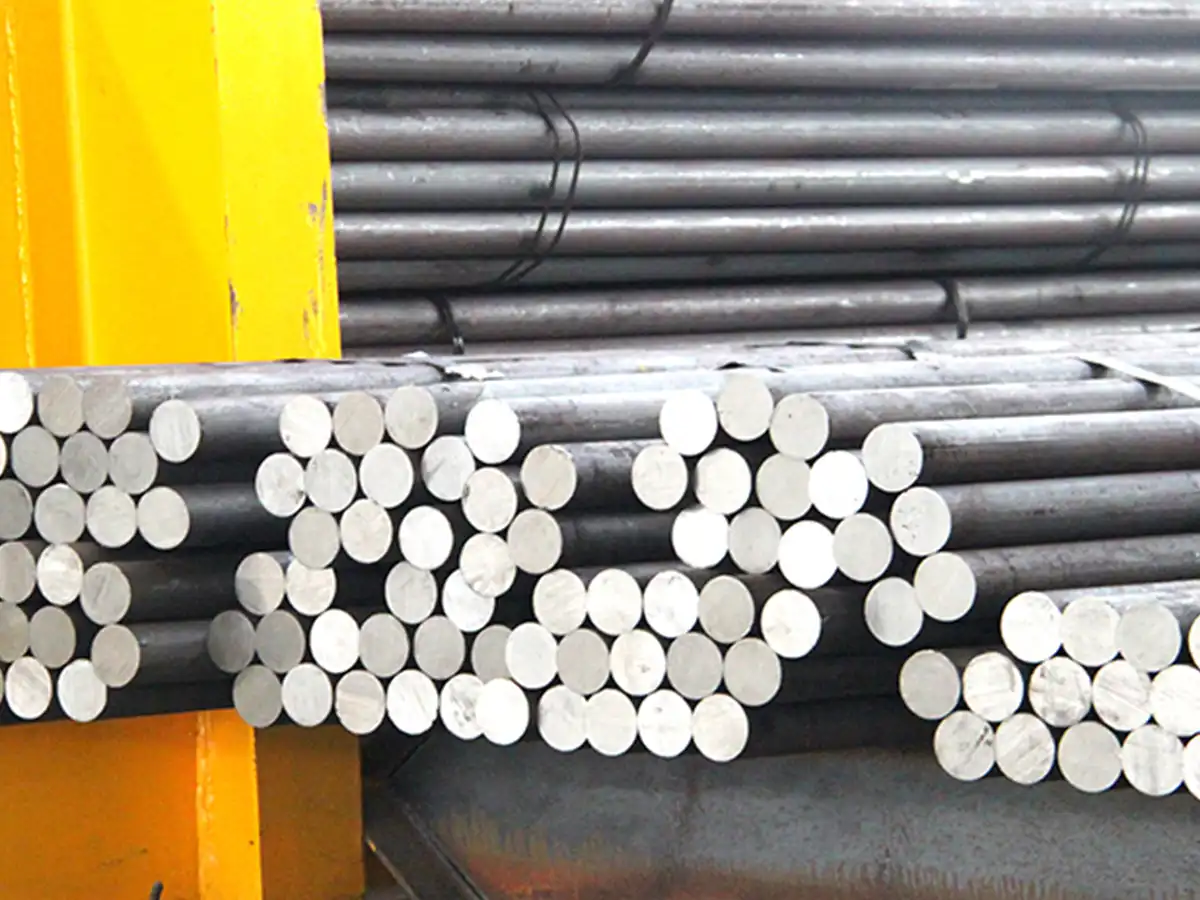
Steel Grinding Rod
Grinding Media Steel Balls and Rods
Grinding media is used for disintegrating secondary materials like cement, rocks, metals, and ores in the mining and cement industry.
Here at Camasteel, we supply:
- Forged Steel Grinding Balls
- Cast Iron Grinding Balls
- Steel Grinding Rods
Forged Steel Balls
Steel balls are components used as grinding media and as a rolling mechanism in rotary motion components like wheels and bearing. Steel balls are commonly used in automobiles for semi-precision bearings, as well as for other commercial uses.
Characteristics of Steel balls in grinding media :
- Forged steel grinding balls are excellent in surface quality.
- They are extremely tough.
- They are resistant to impact and abrasion.
- They do not crack and lose circularity easily.
- Grinding medium steel balls are tougher than cast iron balls.
What are forged steel balls used for?
Forged Steel Balls in grinding media are primarily used in ball mills to break down and pulverize material, used in many different sectors from grinding ores in gold mining to making cement and processing oils.
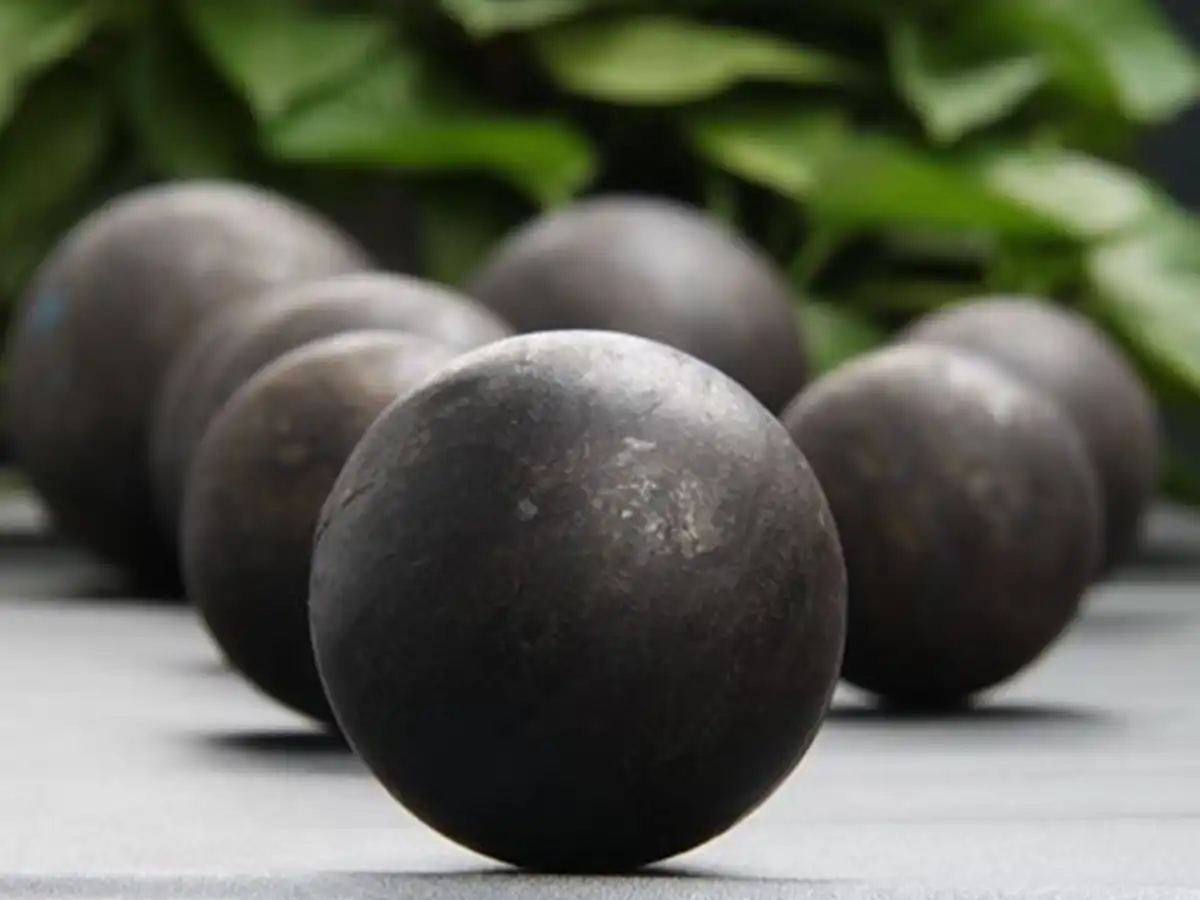
What is the working principle of a ball mill?
The two working principles of a ball mill is the impact and attrition size reduction, they take place as the ball drops from near the top of a rotating hollow cylindrical shell. The result of the grinding depends on the materials used, the size of the mill, and the size of the materials inside the mills.
How many balls should be loaded in a ball mill for working?
The steel ball volume in the ball mill should be less than the cylinder’s horizontal line in large ball mills, it is best to keep the ball quantity between 40 and 50 percent for better control. The percentage of steel balls in smaller ball mills should be around 35% at most. This may effectively ensure that the steel ball can fall freely, increasing the force of impact. The productivity of ball mills depends on drum diameter and the relation between drum diameter and length.
What are the advantages of a ball mill?
- Ball mills produce very fine powder (particle size less than or equal to 10 microns).
- They are acceptable for milling toxic materials since they can be used in a completely enclosed form.
- Ball mills have a wide application.
- Ball mills are available for continuous operation.
What are the disadvantages of a ball mill?
- Wear and tear, which is primarily caused by the balls and somewhat by the case, may result in product contamination.
- High degree of machine noise, particularly if the hollow cylinder is composed of metal, but much lower if rubber is used.
- Relatively long milling time.
- The machine is challenging to clean after usage.
How to Measure the Performance of Grinding Steel Balls?
The effectiveness of steel balls is determined by calculating the efficiency of the ball mill which considers multiple factors. The power per tonne of the ball mill is determined by the ball mill fill rate. Good Steel balls will have:
- Greater hardness
- Greater endurance and wear resistance
- Smooth surface
- The low circle loss rate
- And low splintering rate.
Forged vs Casting
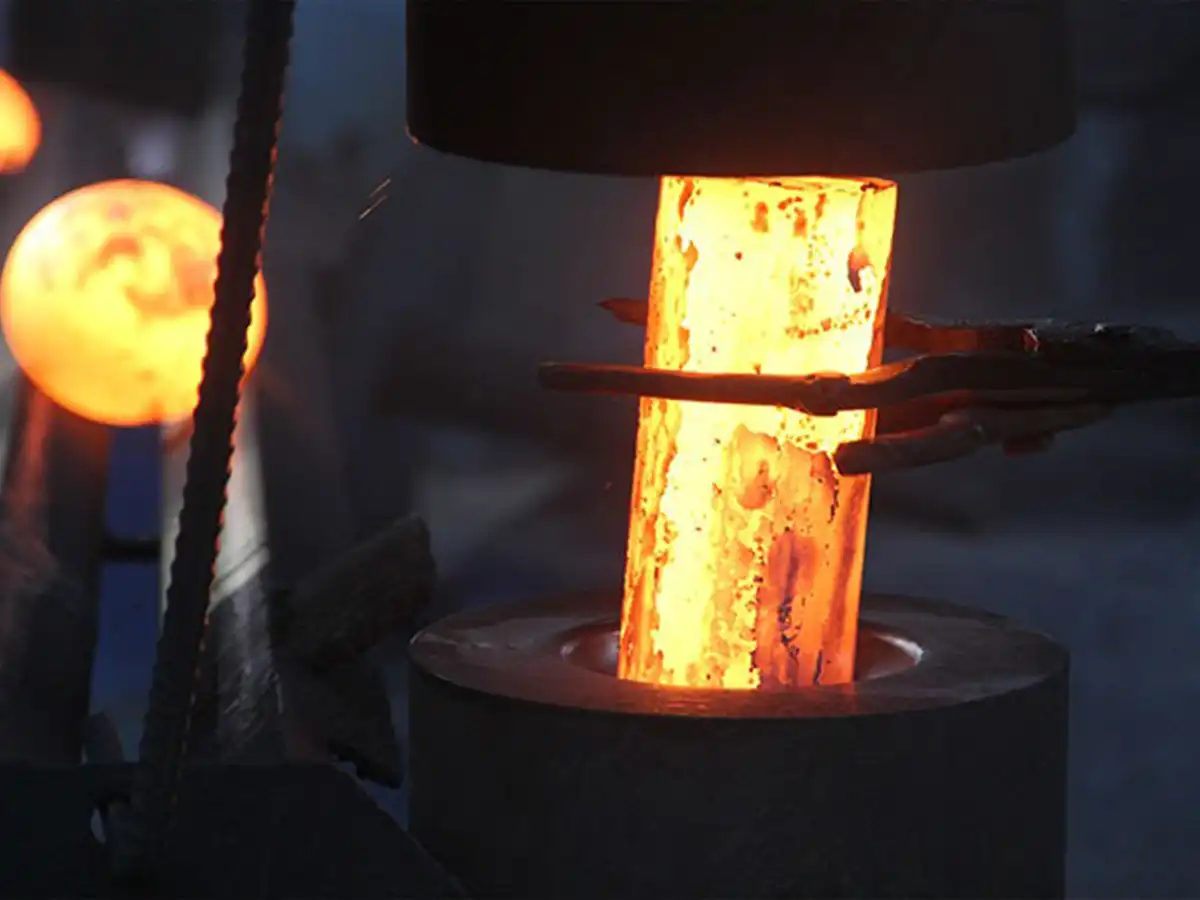
Forged steel is generally stronger and more dependable compared to casting and plate steel. This is mainly because of the impact of forging that changes the grain flows of the steel creating a superior toughness compared to alternative methods of steel casting. Therefore, grinding steel balls deal with materials too hard for cast iron balls.
What Is A Qualified Grinding Ball?
Grinding balls must adhere to the GBT17445-2009 which is the Chinese national standard. The surface should be ≥ 58 HRC in general. The chemical composition needs to satisfy client requirements. The surface of the grinding balls is free of cracks, inclusions, shrinking cavities, and cold shuts.
Cast Iron steel Balls
Cast iron balls are components used in ball mills to crush materials into powders it is used to mix materials such as chemicals, paints, ceramics, and ores.
Characteristics of Cast Iron Balls in grinding media :
- Cast Iron balls are excellent in surface quality.
- They are tough.
- They are resistant to impact and abrasion.
- They do not easily crack nor lose circularity.
- Cast iron balls are cheaper than steel balls.
What are cast iron balls used for?
Grinding balls are used in ball mills, a type of grinder used to grind, blend, and sometimes for mixing materials. It is used to mix materials such as chemicals, paints, ceramics, ores, crushing coal, cement, and many other objects.
How Big are the Balls in a Ball Mill?
Ball mill performance is critically dependent on the ball size. Larger balls are effective for large-sized and hard particles while smaller balls are effective for the breakage of lighter and fine particles.
What is the difference and similarities between ball mill and rod mill?
Both ball mills and rod mills feature a horizontal cylinder-like form that gives them a similar look. They also share comparable parts and operating ideas. However, the performance, grinding media, and application variations between them are different.
- Differences in performance
Rod mills can be categorized into three categories based on performance: center and side discharge, end and side discharge, and shaft neck overflow discharge. As their names suggest, these different types of rod mills are distinguished by the area through which they are fed. Ball mills are, however, classified into two categories based on how they are discharged; these categories are overflow discharge ball mills and grate discharge ball mills.
- The difference in grinding medium
Ball mills have a high degree of toughness and manufacturability due to the use of materials including high manganese steel, low carbon alloy, high carbon, and high manganese alloy. However, high carbon steel and 42 Cr Mo steel rods are used to make rods for rod mills. The diameter of this rod, which is employed as a grinding media, ranges from 50 to 100 mm.
- Difference in application
In essence, ball mills are used for fine grinding, whereas rod mills are used for coarse grinding. Metal and non-metal ores are both ground in ball mills, which are also used in the cement, building, glass and ceramics, and chemical fertilizer industries. However, when crushing soft ores, a rod mill can be used as an exemplary crushing device.
Which is cheaper: cast steel or cast iron?
Cast iron is a cheaper option for grinding media compared to forged steel due to lower material costs, energy, and labor required to produce a final product.
What is single-stage or multiple-stage grinding?
The grinding process might take place all at once or in stages. A rod mill followed by a ball mill (two-stage circuit) or a semi-autogenous grinding (SAG) mill followed by a ball mill are examples of many stages (two-stage circuit). To run a single grinding stage, smaller operations frequently install additional crushing stages. Generally, ball mills have a large crushing ratio, easy to adjust product fineness, and create finer product particle size which would make it able to be a second-stage grinding process.
How to test Cast Iron Balls?
Before the product is ready to sell, there is a quality inspection test that occurs. This consists of:
- Dropping Test
- Hardness Test
- Chemical Element Analysis
- Impact Value Test
These tests ensure that the steel ball will be efficient in the mills. The product is cleared for shipping, then it is packed in bags and loaded on a truck to be transported to its destination.
Steel Grinding Rods
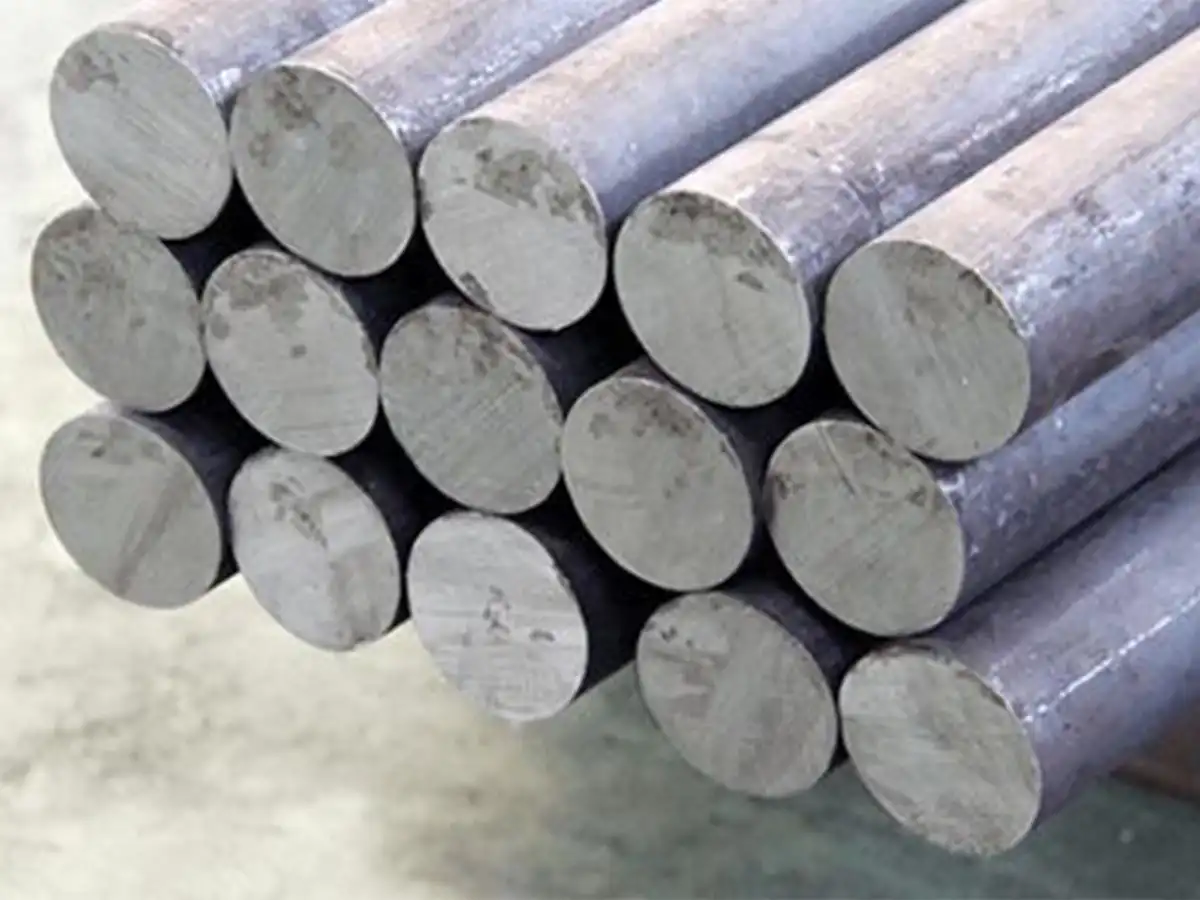
Steel grinding rods are high-quality steel rods that have undergone various heat treatments to maximize the wear and impact resistance. Primarily used in structural steel, signs, automobiles, furniture, fencing, and much more.
Characteristics of Steel rods in grinding media:
- Steel Grinding Rods are used in metallurgy and mining for grinding the ores such as iron, copper, and gold.
- It is used for the processing of extracted minerals.
- It can be used for grinding coke and friable non-metals.
- It is used to grind material for glass.
- It is also used to grind gravel to produce sand.
- Steel mills are cheaper as they use less energy.
What is grinding rod used for?
Steel rods commonly are used to construct structures like buildings, bridges, race tracks, towers, but they are known to be a very strong material. Structural steel outmatches most other materials with a stress yield of 50,000 pounds per square inch. In grinding media, they are used in rod mills for three main purposes:
- Fine Crushing
Rod mill can be used as the fine crushing equipment to replace short-type cone crushers when crushing soft ores. It has a simple configuration, fewer costs, and low dust pollution, which can save a lot of investment in dust removal machines.
- Prevention of Over-Crushing
When the tungsten ore, tin ore, or other rare metal ores are selected by gravity separation or magnetic separation, a rod mill is often used to prevent over-crushing.
- Preliminary Grinding for Larger Capacity
In the two-stage grinding process, a rod grinding machine is generally used as the first grinding equipment, which has the advantages of larger production capacity and higher efficiency.
The most familiar applications of steel grinding rods are:
- Steel rods are used in metallurgy and mining for grinding the ores such as iron, copper, and gold.
- It is used for the processing of extracted minerals.
- It can be used for grinding coke and friable non-metals.
- It is used to grind material for glass.
- It is also used to grind gravel to produce sand.
How do rod mills work?
Rod mills are very similar to ball mills, except they use long rods for grinding media. The rods grind the ore by tumbling within the mill, similar to the grinding balls in a ball mill. To prevent the conditions leading to rod charge tangling, the length to diameter ratio is maintained at 1.4 to 1.6.
Which is more efficient: steel ball mill or rod mill?
Rod mills use less energy consumption than equipment compared to ball mills, saving users a lot of expenses.
What is the difference between steel rods mill and ball mills?
Ball mills have a stronger processing capacity which also results in more crushing, it is used for grinding materials such as molybdenum ore, aluminum ash, lime, cement, etc. On the other hand, rod mills are used for brittle materials or first-stage grinding such as tungsten ore, tin ore, rare metal ore, and coal.