Forged Steel Grinding Balls
Quick Overview
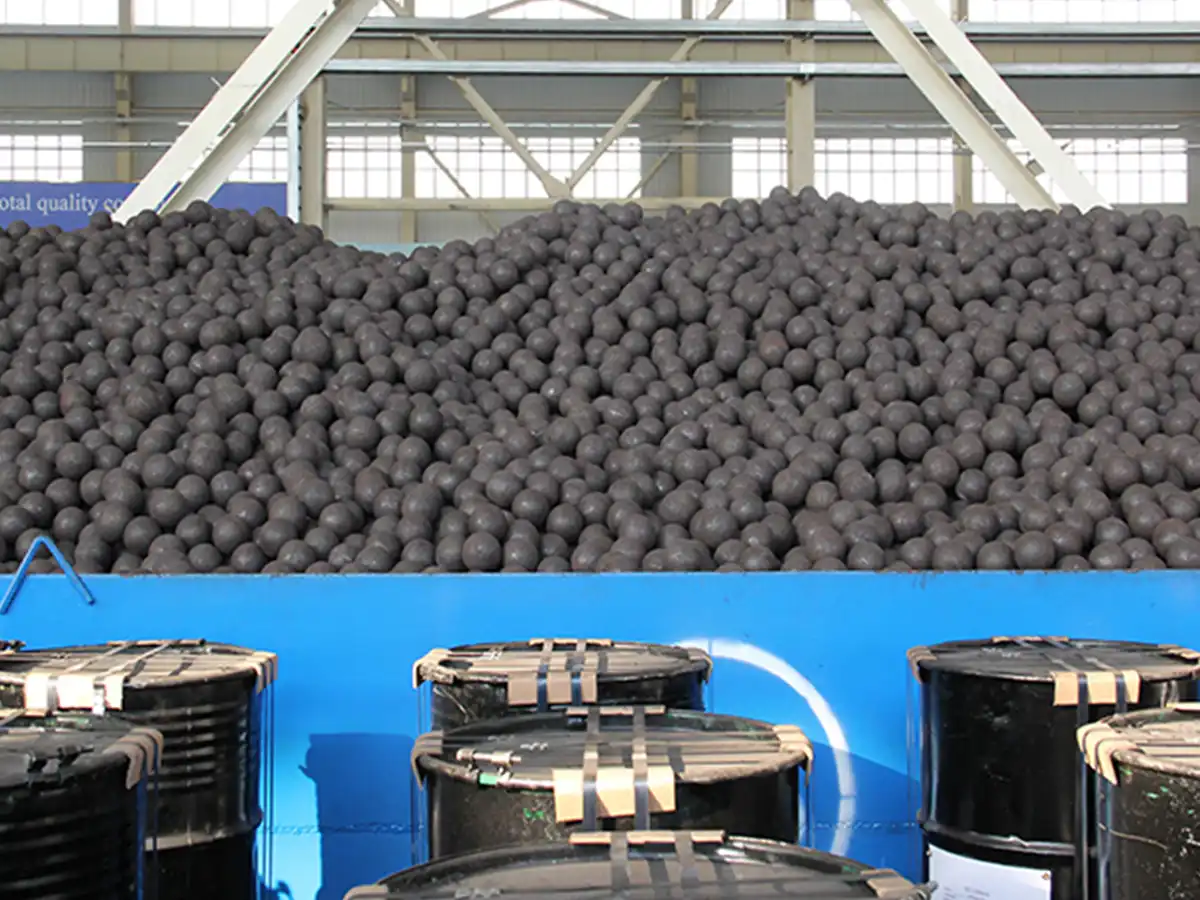
The steel ball has excellent surface quality, toughness, and strong resistance to impact.
In Grinding media applications, steel balls are used in ball mills to pulverize or mix materials into fine powders.
Forged pieces offer superior mechanical performance compared to castings made from the same material. Therefore, they are tougher and more durable than cast iron balls.
Forged grinding balls are made from highly wear-resistant materials to ensure outstanding abrasion resistance.
- Key benefits include continuous operation capability and a wider range of applications compared to alternative rod mills.
| Application: | Mining, Cement Plant, Power Station, Chemical |
| Standard: | BS, GB, ASTM, ASME, DIN, JIN, EN |
| Hardness: | HRC 50-65 |
| Diameter: | 20mm - 120mm |
| Material: | Cr: 11-14; Cr15-17; Cr16-20 |
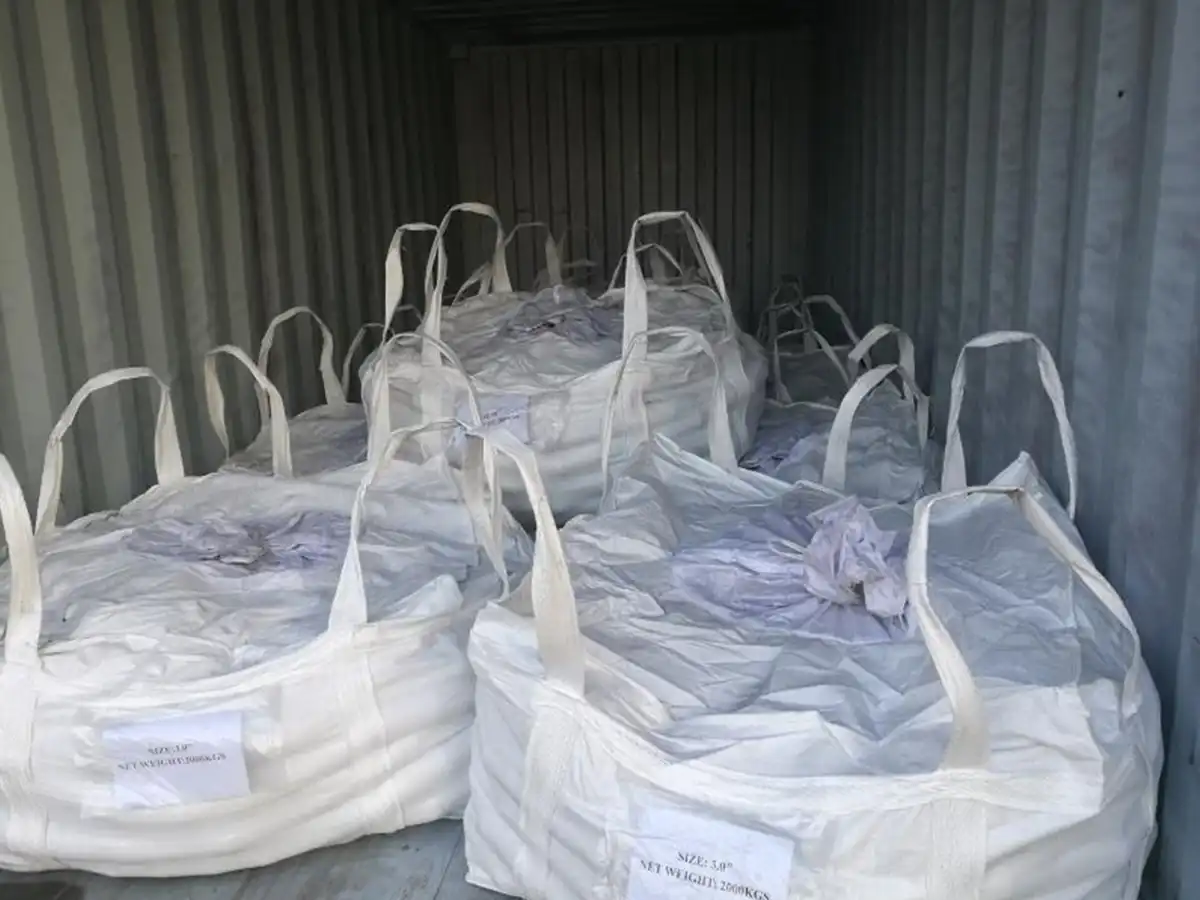
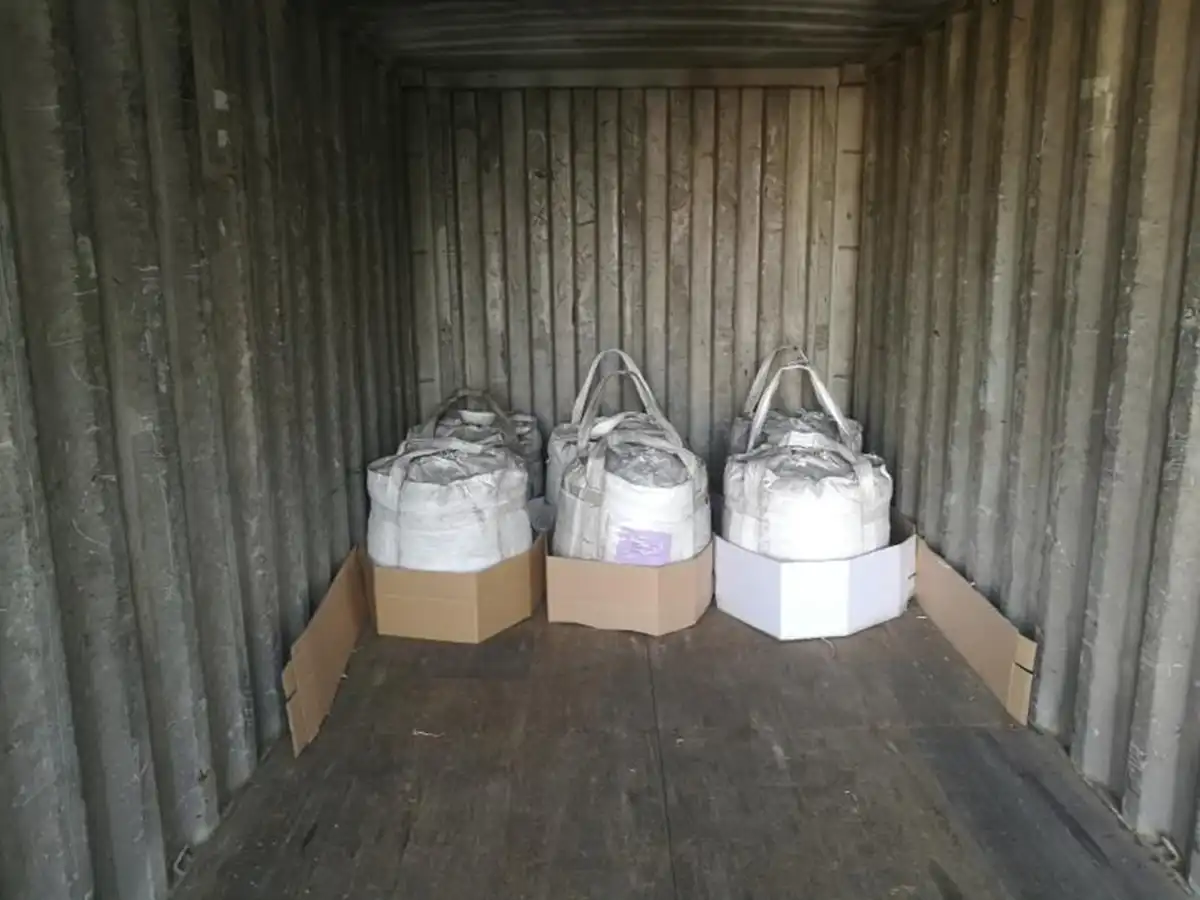
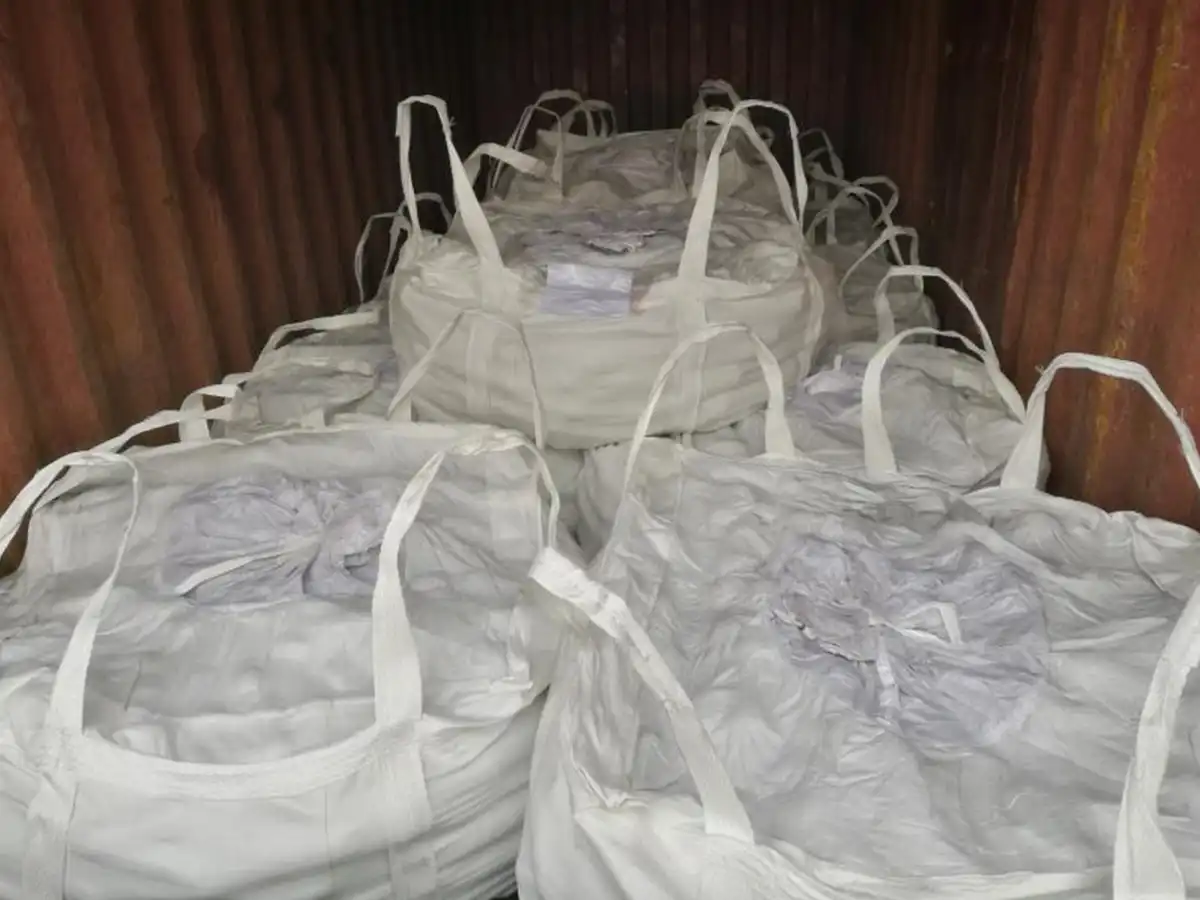
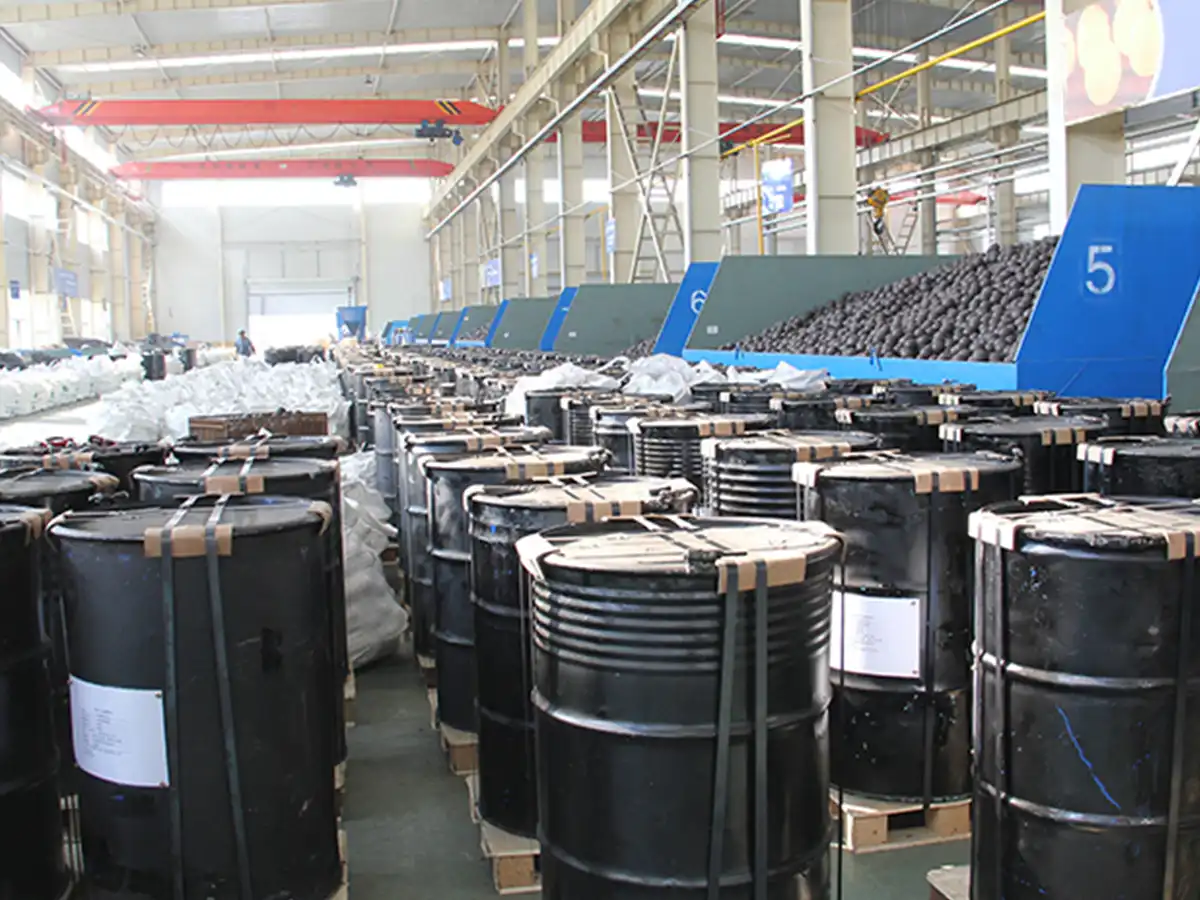
| Packaging: | Jumbo Bags, Steel Drums |
| Item | Hardness | Impact Value | Cement Mill Wear (g/mt) | Typical Applications |
|---|---|---|---|---|
| High Cr Cast Iron | ≥HRC60 | ≥4J | 25-60 | Dry-grinding in cement works, power plants, and wet-grinding in mines |
| Low Cr Cast Iron | ≥HRC46 | ≥3J | ≤130 | Dry-grinding in cement works, power plants, and wet-grinding in mines |
| Composition (%) | C | Si | Mn | Cr | P | S | Hardness (HRC) | Wear Rate in Gold Mine |
|---|---|---|---|---|---|---|---|---|
| Low Cr Cast Balls | 2.0-3.5 | ≤1.5 | ≤1.0 | 1.5-2.5 | ≤0.07 | ≤0.07 | 46-55 | About 1000g/MT |
| Mid Cr Cast Balls | 2.0-3.5 | ≤1.5 | ≤1.0 | 4.0-6.0 | ≤1.0 | ≤1.0 | ≥50 | About 870g/MT |
| Cr10 Cast Balls | 2.0-3.3 | ≤1.2 | ≤1.0 | 10-12 | ≤0.05 | ≤0.05 | ≥55 | ≤870g/MT |
| Cr14 Cast Balls | 2.0-3.3 | ≤1.2 | ≤1.0 | 14-16 | ≤0.05 | ≤0.05 | ≥58 | |
| Cr18 Cast Balls | 2.0-3.3 | ≤1.2 | ≤1.0 | 18-20 | ≤0.05 | ≤0.05 | ≥60 | ≤760g/MT |
| Cr20 Cast Balls | 2.0-3.3 | ≤1.2 | ≤1.0 | 20-26 | ≤0.05 | ≤0.05 | ≥60 | ≤750g/MT |
Forged Steel Grinding Balls
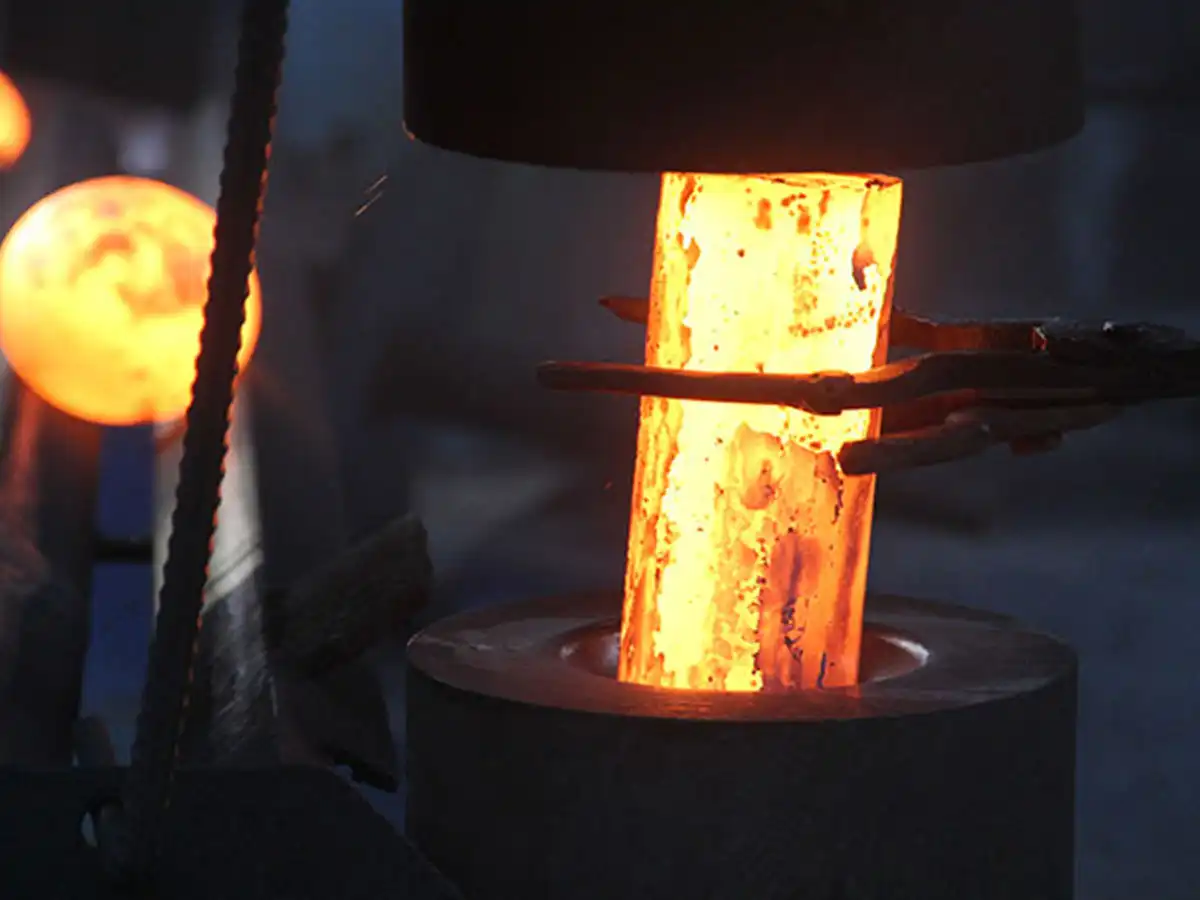
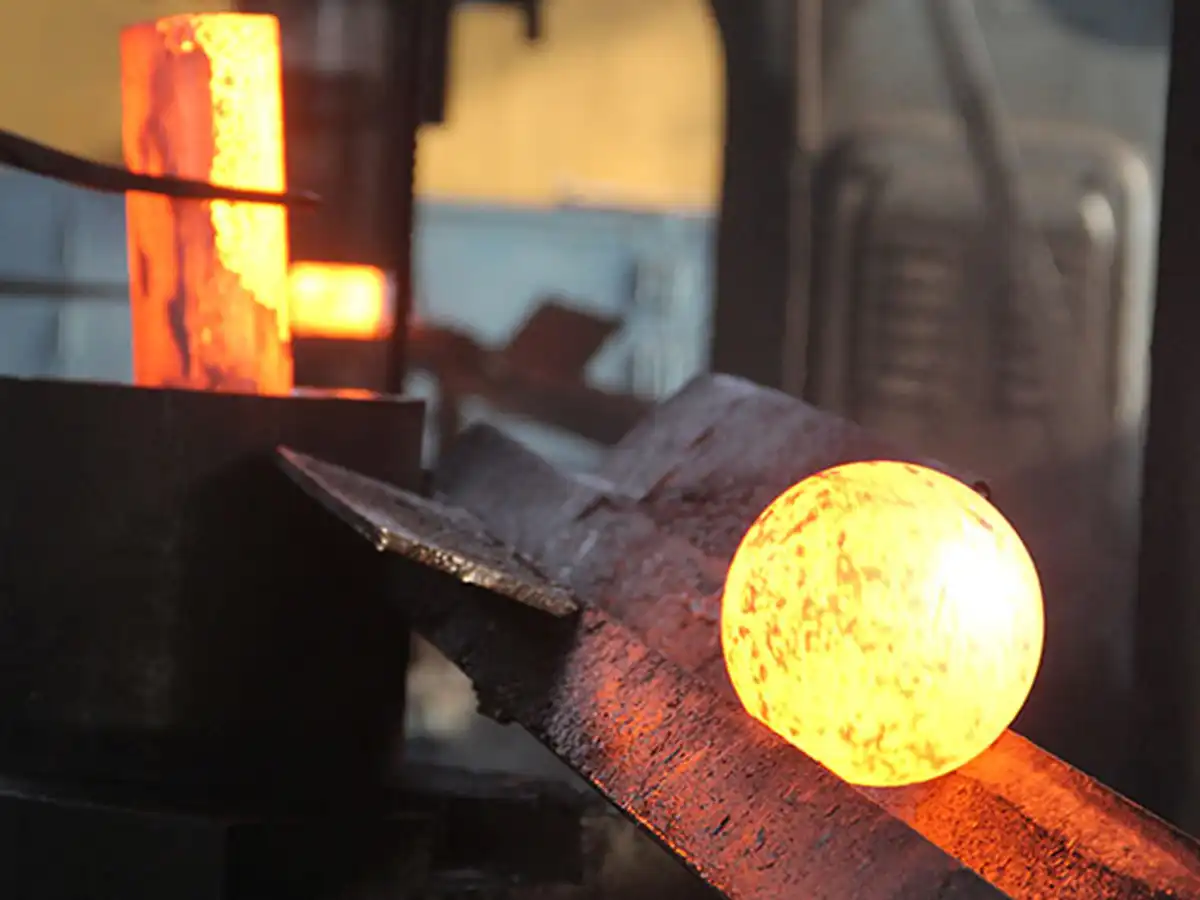
The forged steel grinding ball is excellent in surface quality, toughness, and resistance to impact and abrasion. It won’t crack and lose circularity easily. The forging and stamping method that we use is that heating the metal until the temperature reaches 1050 degrees Celsius and utilizing the metal forming machinery to exert pressure onto the mechanical properties, shape and dimension. melting process of the metal and optimize the microstructure. Meanwhile, as a result of the preservation of the complete metal flow line, the forge piece has superior mechanical performance to the casting with the same material. The forged steel grinding ball must use the super wear resistant material to ensure the abrasion resistance, such as researched and developed independently by some companies themselves.
What is Ball Grinding?
A ball mill is a type of grinder used to grind, blend and sometimes for mixing of materials for use in mineral dressing processes and selective laser sintering. It works on the principle of impact and attrition: size reduction is done by impact as the balls drop from near the top of the shell. A ball mill consists of a hollow cylindrical shell rotating about its axis. The axis of the shell may be either horizontal or at a small angle to the horizontal. It is partially filled with balls. The grinding media are the balls, which may be made of steel, stainless steel, ceramic or rubber. The inner surface of the cylindrical shell is usually lined with an abrasion-resistant material such as manganese steel or rubber lining. The general idea behind the ball mill is an ancient one, but it was not until the industrial revolution and the invention of steam power that an effective ball milling machine could be built. It is reported to have been used for grinding flint for pottery in the 1800s.