
Steel Tube / Steel Pipe
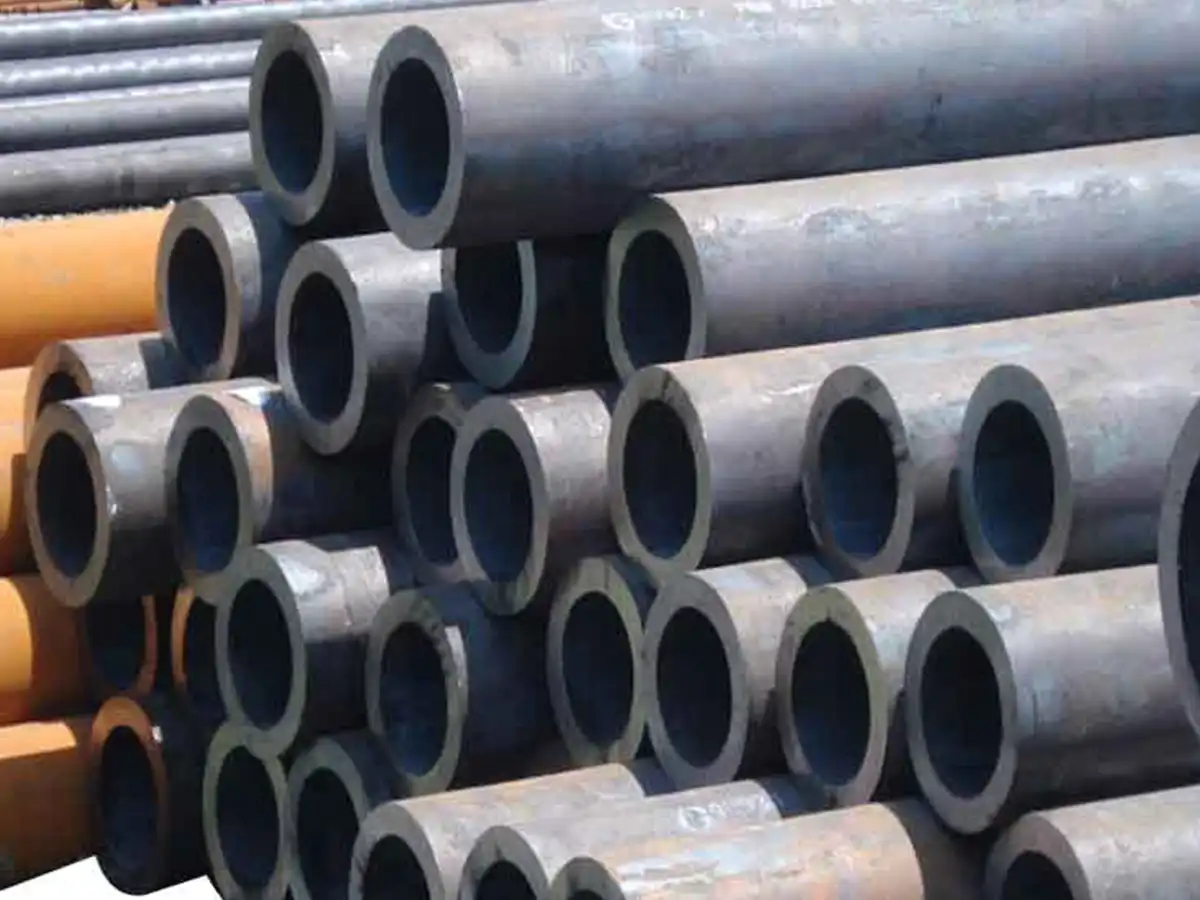
Seamless Pipe
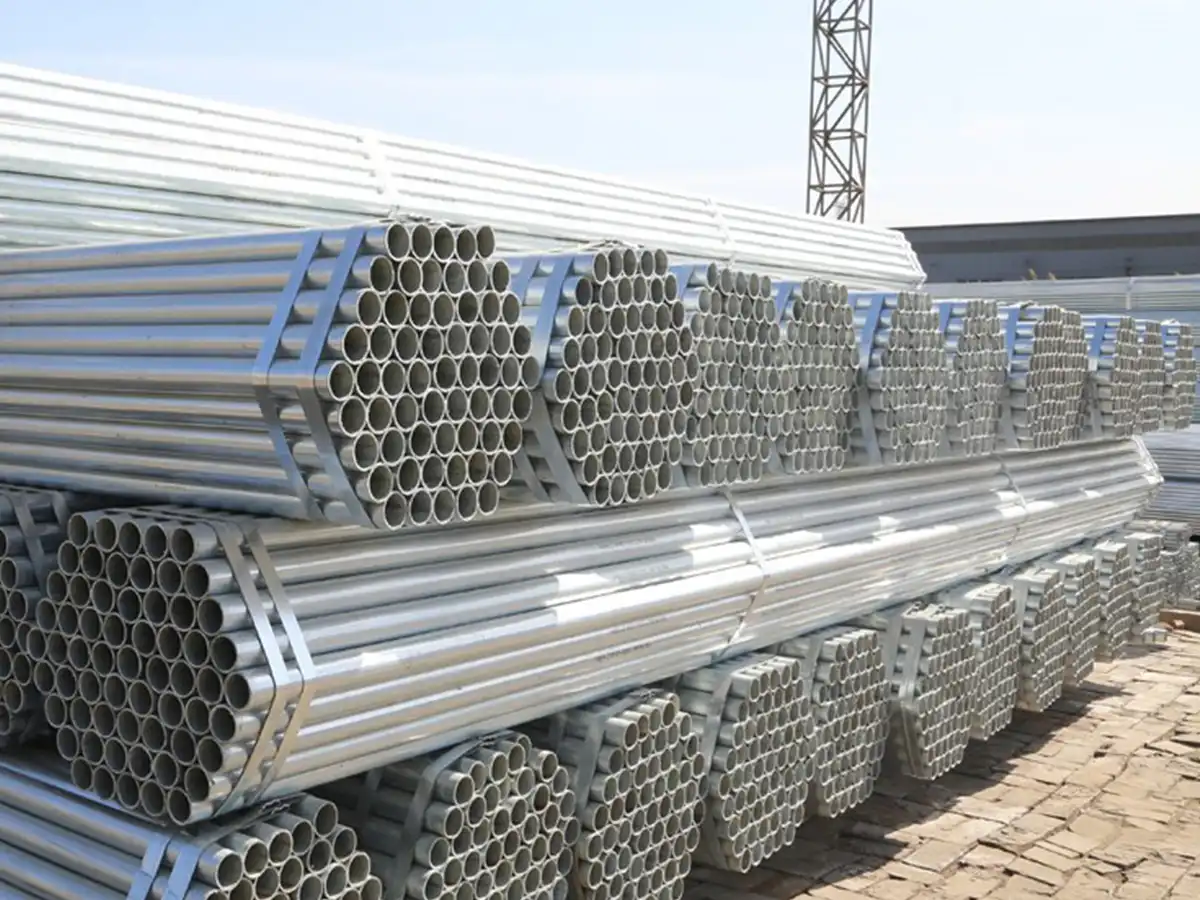
Galvanized Steel Pipe
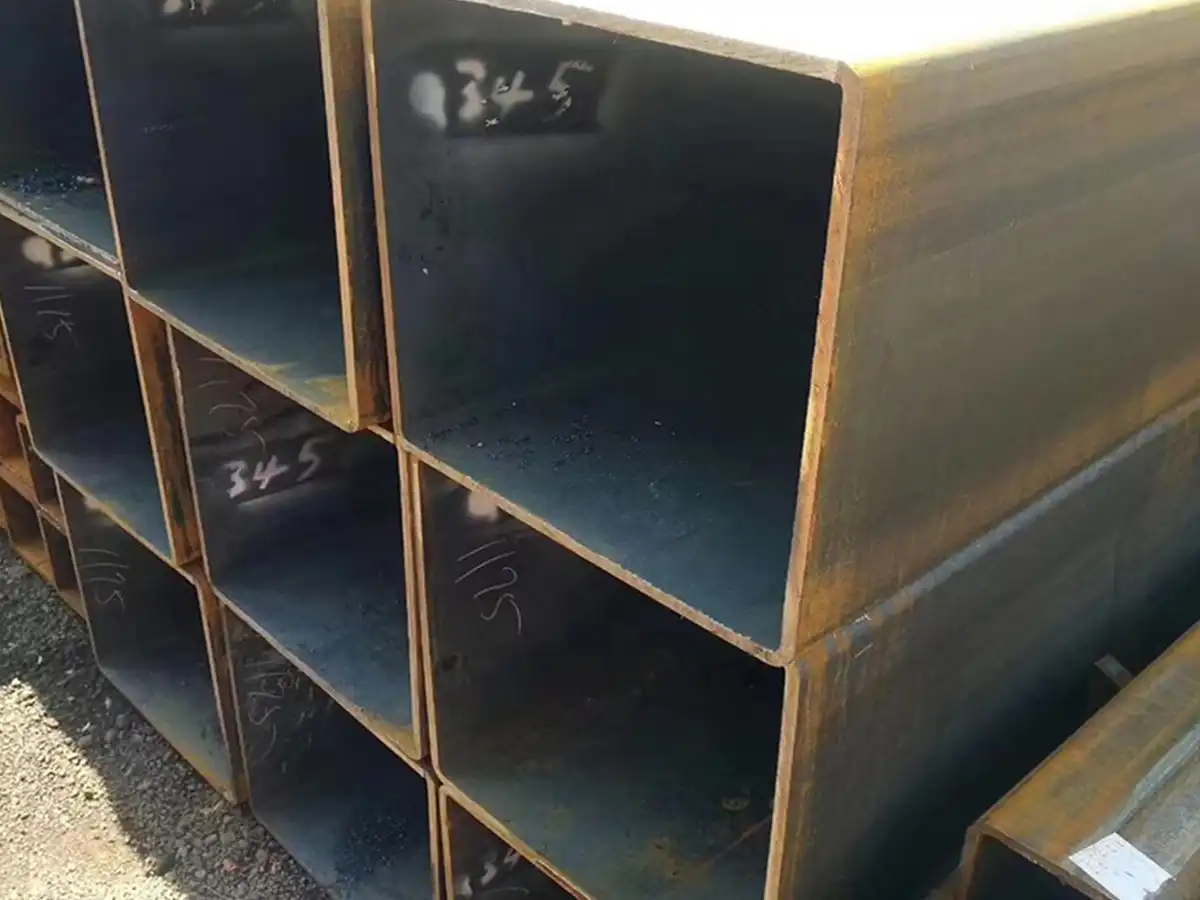
Square Tube
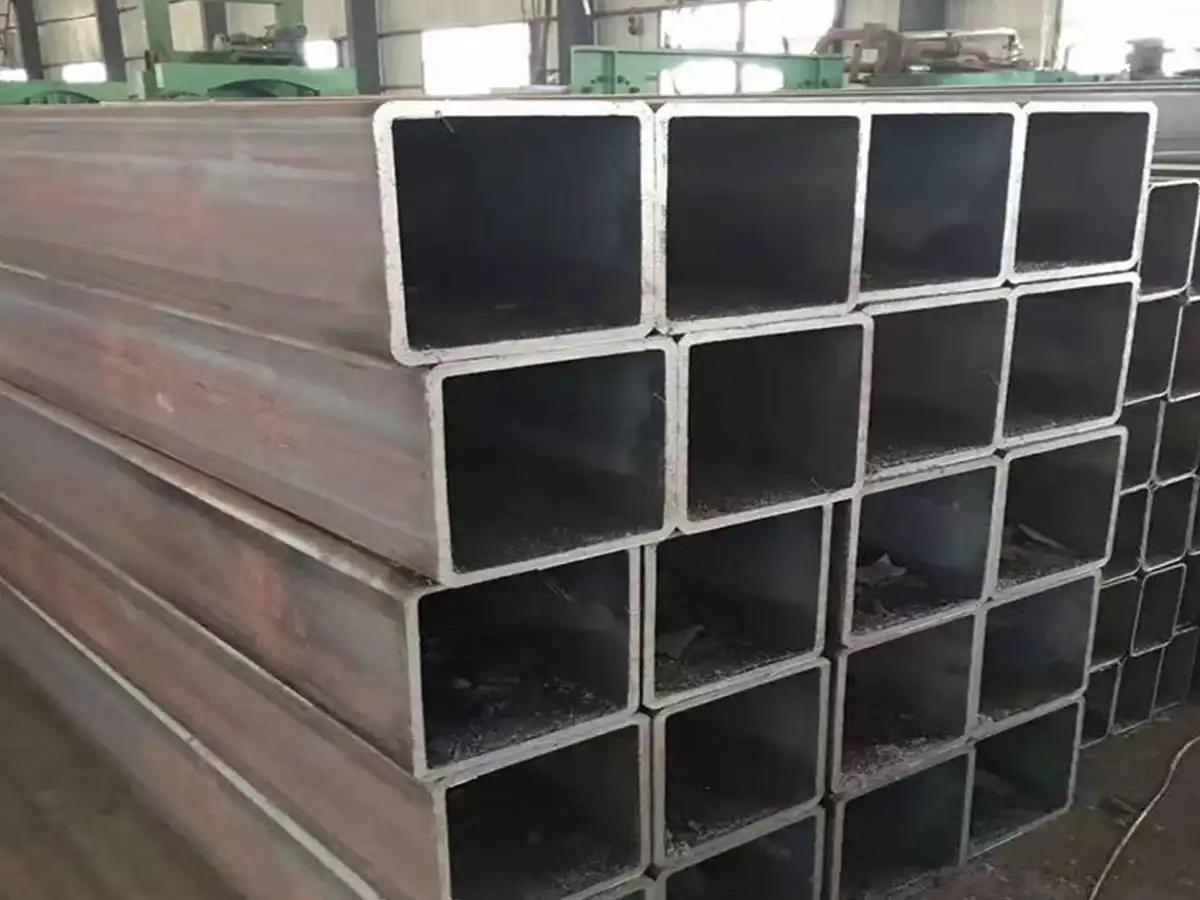
Rectangular Tube
Steel Pipes and Steel Tubes
Steel pipes and steel tubes are both steel products that are commonly used today. Though they look similar, they actually have large differences in their sizing and applications.
Here at CamaSteel, our offers include:
Seamless Pipe
Galvanized Steel Pipe
Square Tube
Rectangular Tube
Seamless Steel Pipe
Seamless steel pipes are perforated from whole round steel, and steel pipes without welds on the surface are called seamless steel pipes. Seamless steel pipes have hollow sections and are used in large quantities as pipelines for transporting fluids, such as pipelines for transporting oil, natural gas, gas, water, and certain solid materials.
Characteristics of Seamless Steel Pipes
Seamless steel pipes are made without any welds or seams.
They have great resistance to wear and corrosion, and don’t rust easily.
- They have great strength which is able to withstand huge weight.
- Seamless steel pipes are more expensive than welded steel pipe, but it has greater strength and wider applications.
What are Seamless Steel Pipes Used for?
Seamless steel pipes are used in many industries. Those industries include automotive, oil and gas, construction, fertilizer, chemical, environmental technology, ship building, mechanical, and the boiler industry.
Most common and popular uses of seamless steel pipes include transporting fluid, heat transfer, ship building, pumps, boilers, etc.
What are the Advantages of Seamless Steel Pipe?
Seamless steel pipes are very durable and withhold high levels of pressure, about 20% higher than welded pipes. Also, they are highly resistant to corrosion.
Seamless steel pipes don’t need heat treatment because they are hardened during the manufacturing process.
A seamless steel pipe can be used in place of a welded pipe, but not vice versa.
Seamless steel pipes have more solid round cross sections than welded pipes.
Seamless steel pipes have great strength and can support large amounts of weight.
What is the Difference Between Seamless and Welded (ERW) Pipe?
The seamless steel pipe is formed by perforating a steel ingot or a solid tube blank, and then hot rolled, cold rolled or cold drawn.
The welded steel pipe is a steel pipe which is welded and formed by a steel strip or a steel plate to be deformed into a circular shape or a square shape, and has a joint on the surface.
Is Seamless Pipe Stronger than Welded?
Yes! Seamless steel pipe has better pressure capacity, strength is higher than ERW welded steel pipe. For this reason, seamless steel pipes are applied in high pressure equipment.
The seams in welded steel pipes are the weak points of those steel pipes.
How Seamless Steel Pipes are Manufactured?
Manufacturing seamless steel pipes begins with a billet, a sturdy, circular piece of steel.
The billet must first be heated, stretched, and then pushed or rolled over a frame or form to create a hollow pipe.
Seamless steel pipes are available in carbon steel and stainless steel. They can be either hot-rolled or cold-rolled.
What is the Difference between Hot Rolled and Cold Rolled Steel?
Hot Roll and Cold Roll are common methods of manufacturing seamless steel pipes.
Manufacturing hot rolled steel involves rolling steel at high temperatures (typically over 1700°F). Hot rolled steel tends to be cheaper than cold rolled steel.
Cold rolled steel is hot rolled steel that has been further processed by being allowed to cool at room temperature and annealed or temper rolled.
Compared to hot rolled steel, cold rolled steel typically has a better, smoother surface that is oily to the touch. Most importantly, cold rolled steel is up to 20% stronger than hot rolled steel due to the strength hardening process.
What is Seamless Carbon Steel Pipe?
Seamless carbon steel pipe is a kind of seamless pipe made of carbon steel.
Carbon steel is a basic steel that is a combination of iron and carbon. It is classified by how much carbon content is mixed in with the iron.
Carbon steel is known for its strength and its ability to withstand very high temperatures.
Compared to stainless steel, carbon steel is more likely to rust and more brittle.
What is Stainless Steel? Its Relationship with Seamless Pipe?
Stainless steel is manufactured from steel alloy. The alloying elements enable stainless steel to be corrosion resistant and have long-lasting durability.
Common applications of stainless steel pipe includes:
Food processing
Textile operations
Breweries
Water treatment plants
Oil and gas processing
Fertilizers and pesticides
Chemical applications
Construction
Pharmaceuticals
Automotive components
Seamless steel pipe is typically available in carbon steel and stainless steel. For this reason, seamless steel pipe is highly corrosion resistant and long-lasting.
How to Transport Seamless Steel Pipes?
Seamless steel pipes must be packaged and shipped carefully in order to prevent damage to the pipes. They also need to be sealed from too much moisture when packing in bundles, especially if they have smaller diameter.
They are typically exported by sea but can also be transported in bundles by trucks.
Galvanized Steel Pipe
Galvanized steel pipe is a type of steel pipe that has been coated with zinc. The coating effectively protects the steel from corrosion.
It is most commonly used for outdoor construction such as fences and handrails, or for some interior plumbing.
Characteristics of Galvanized Steel Pipes
Galvanized steel pipes are made with zinc coating through hot-dip galvanizing where the iron is submerged in molten zinc.
Galvanized steel pipes are resistant to rusting and are high in structural rigidity.
They are not easy to freeze or crack even in cold weather.
They have longer use due to the protective zinc coating.
What are Galvanized Steel Pipes Used for?
Galvanized steel pipes are good for hot and cold liquid transportation, in exposed and marine environments, and as railing and fencing.
How Long Will Galvanized Steel Pipe Last?
One key advantage of galvanized steel pipes is their durability. They generally last between 80–100 years.
Data shows that galvanizing can provide between 34 to 170 years of protection for steel.
How Strong is the Galvanized Steel Pipe?
On average, a galvanized steel pipe has a strength that ranges between 150 PSI and 500 PSI.
Is Galvanized Pipe Poisonous?
In normal temperatures, no. After the steel pipes are finished with galvanizing, they pose no toxic risks to humans, plants or animals.
However, if hot-dip galvanized steel’s temperature reaches 392°F (200°C), it will release zinc fumes which are toxic to breathe.
How to Keep Galvanized Steel Pipes from Rusting?
To prevent corrosion on galvanized steel, the best approach is to keep it out of environments where it is exposed to substances with a pH below 6 or above 12.
Is Galvanized Steel Pipe Safe for Drinking Water?
No. Galvanized steel will eventually start to corrode which releases lead and cadmium and can pose a hazard for drinking water, making it unsafe for drinking water in the long run.
Is Galvanized Pipe Weatherproof?
Yes! Because of the zinc coating, galvanized steel pipes are highly resistant to degradation when they are exposed to the weather.
How to Preserve a Galvanized Steel Pipe?
In order to preserve these steel pipes, proper paint coatings and sacrificial anodes must be applied onto the galvanized steel pipes.
Galvanized Steel vs Stainless Steel: Which Is the Better Choice?
Compared to stainless steel, galvanized steel is much cheaper. It is almost the same price as untreated steel. Also, galvanized steel can be fabricated and manipulated like normal steel while stainless steel is hard to manipulate. For these reasons, galvanized steel can be a more cost-effective option for you.
Can I Weld a Galvanized Steel Pipe?
It is not suggested. Welding galvanized steel burns away the protective layer of zinc at the weld, leaving the welded area uncoated and unprotected. Steel should be welded before it is galvanized, not after.
How do you know when galvanized pipes need to be replaced?
Replacing galvanized pipes timely is important because rusted galvanized pipes will release toxic elements to the water or liquids.
To know if the pipes need to be replaced:
First early signs would be decreased water pressure and rust-colored water coming out of the pipe.
More advanced signs would be rust around the pipe joints and bodies. At this stage, the pipe needs replacement soon.
When the pipes reach their life expectancy, signs include ruptured pipes and leak holes.
What are the differences Between Steel Tubes and Steel Pipes?
Though steel pipes and steel tubes look similar, they do not have the same applications and they vary in sizing. They both have a hollow cylindrical shape but that is where the similarities end.
For example, steel pipes’ diameters are calculated using the inside diameter, whereas steel tubes’ are calculated using the outside diameter.
Another distinguishing factor is the shape of the inside where steel pipes only have round sections, while tubes can be round, square, and rectangular.
Differences in Steel Pipes’ and Steel Tubes’ Applications
Steel pipes usually cover larger applications than steel tubes do. Steel pipes are typically used for transporting or dispensing liquids and gases, so it is important to know the capacity and tolerance of the pipe. Steel tubes on the other hand are used in manufacturing and structural purposes.
Which is Stronger: Steel Pipe or Steel Tube?
Steel tubes are significantly stronger than steel pipes. Steel tubes perform much better in applications that require strength.
Is Steel Pipe Cheaper Than Steel Tube?
Yes. The production of tubes requires a lot more labor, energy, and resources. As a result, while using the same material, tubes typically have greater production costs than pipes.
Square Steel Tube
Square tube is a kind of rectangular steel tube with equal side length. With the same bending and twisting strength it has lighter weights. For this reason square tube is widely used in manufacturing machinery parts and engineering structures.
Characteristics of Square Steel Tubes
Ability to withstand extreme temperatures, pressure, and natural destructive elements.
They have uniformity in wall thickness and concentricity.
Square steel tubes are stronger but more costly than rectangular steel tubes.
Square steel tubes can be either welded or seamless.
What are Square Steel Tubes Used for?
Square tubes are generally used for maintenance and structural purposes. Some specific applications of square steel tubes include machine parts, guides, and supports, safety and deck rails, sign posts, and athletic equipment.
What are the Benefits of Square Tubes?
Uniformity: Square tubes contain uniform wall thickness and concentricity.
Strength: Cold forming allows square tubes to withstand extreme temperatures, pressures, and destructive elements.
Cost-Effectiveness: Square tubes undergo less processing than other types of mechanical tubing, so they have cost advantages for less-demanding applications.
Wide Range in Sizes: Square tubes are available in a broad range of OD and wall thickness dimensions which makes them suitable for various applications.
How Are Steel Tubes Sizes Measured?
Regardless of its material, a steel tube is measured by its outside diameter (OD). In other words, the dimensions provided for the steel tube refer to its actual outside diameter.
What is the Strongest Metal Tube?
The answer is steel. Steel is one of the strongest and most durable metals for tubes. It provides excellent heat resistance, long durability and high corrosion resistance because it is often alloyed with various kinds of metals.
Is the Square Tube Stronger Than Round?
No. The truth is that a round tube resists flex and torsional twisting better than a square tube. However, the shape of the square steel tube allows it to perform well in situations where the round tube is not competent.
Rectangular Steel Tube
Here in Camasteel, we provide you the most cost-effective and high-quality rectangular tube from reliable Chinese rectangular tube manufacturers.
Characteristics of Rectangular Steel Tubes
Ability to withstand extreme temperatures, pressure, and natural destructive elements.
Rectangular steel tubes are strong, tough and durable.
Similar to square steel tubes, rectangular steel tubes can also be welded or seamless.
Different from square steel tubes, rectangular steel tubes’ cross sections are rectangular.
Advantages of Rectangular Steel Tubes
Great strength-to-weight ratio, making them highly cost-effective.
They are fire-resistant.
They have high uniform strengths.
They don’t warp, twist, split, swell or shrink.
They are recyclable.
What are Rectangular Steel Tubes Used for?
Applications include building construction, railings, truck frames, and transporting liquids and gases such as oil, natural gas, water, gas, and steam.
How are Steel Tubes Manufactured?
Steel tubes are produced using an extrusion technique in which tubes are pulled from solid stainless steel billets and extruded into hollow forms.
The billets are heated before being shaped into molds, which are subsequently hollowed out in a piercing mill.
How to Choose Between Square Steel Tube and Rectangular Steel Tube?
When considering rectangular or square tubes, it is good to know that square tubes are stronger but weigh and cost more than rectangular tubes.